

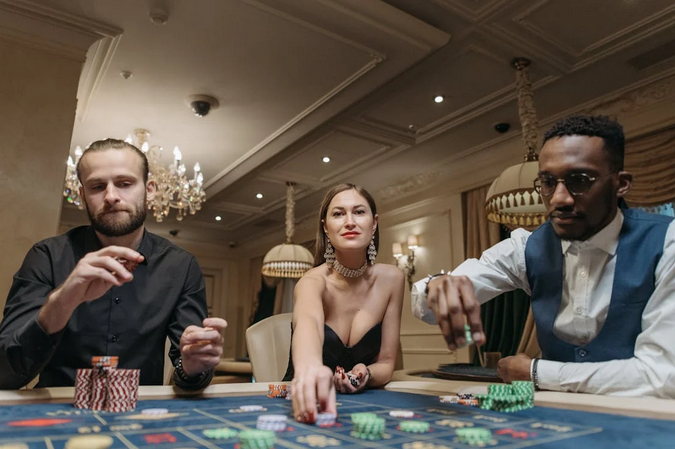
Casinos are more than just bright lights and slot machines—they’re carefully engineered environments designed to mess with your head (in the most fascinating way possible). Every corner of the casino floor is built to keep you playing, spending, and emotionally engaged. From the placement of tables to the music playing overhead, nothing is random. It’s no wonder psychologists love studying these spaces. They’re like live laboratories where decision-making, risk, and emotion collide.
Let’s dive into how casinos use psychology to their advantage—and how those same strategies affect the players who walk through their doors.
The Illusion of Control Keeps Players Hooked
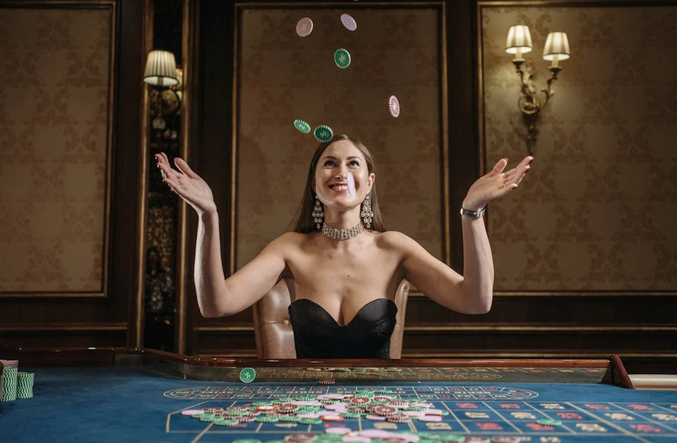
One of the most powerful psychological tools at play in a casino is the illusion of control. Games like craps or poker often give players a sense of influence, even though outcomes are mostly random or heavily luck-based. When someone rolls the dice themselves or makes a bet based on “strategy,” it creates a feeling of mastery. This perceived control can encourage longer play sessions and bigger bets—even when the odds don’t shift in their favor.
Sound and Light Are Designed to Excite
Walk into any casino and you’ll notice the sensory overload almost immediately. Flashing lights, ringing slot machines, and upbeat music are all carefully curated to keep your adrenaline high. Studies have shown that winning sounds, even for small amounts, create dopamine spikes—those “feel good” brain chemicals that reinforce behavior. Combine that with dynamic lighting and a lack of clocks or windows, and suddenly, hours can pass without you even realizing.
Near Wins Fuel the Need to Keep Going
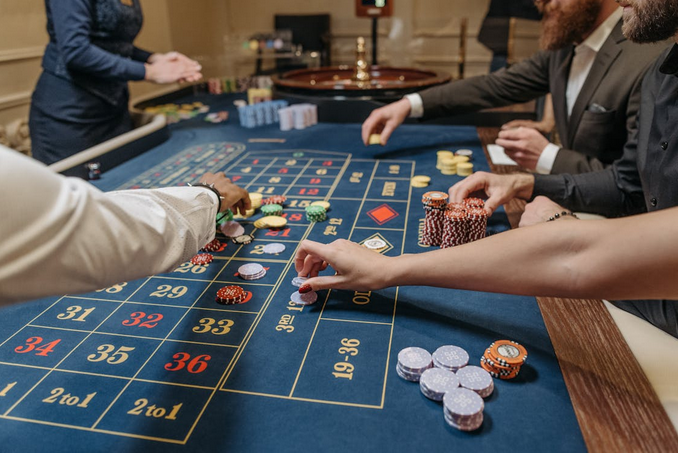
One of the cleverest psychological tricks used in casinos is the concept of the “near miss.” Slot machines, for example, often land just one icon away from a jackpot, triggering a surge of excitement and encouraging players to spin again. This near-win effect has been proven to activate similar parts of the brain as actual wins, convincing players they’re “so close” to hitting it big, even when the odds remain unchanged.
Social Proof and Group Energy Drive Risk
Casinos are bustling social spaces for a reason. Watching others win—or just hearing their cheers—can push you to take bigger risks. This is known as social proof: when people assume the actions of others reflect the correct behavior. The excitement of a hot streak at the roulette table or the buzz around a blackjack win taps into our natural tendency to follow the crowd. It’s easier to bet big when it feels like everyone else is doing it too.
Rewards and Loyalty Programs Play the Long Game
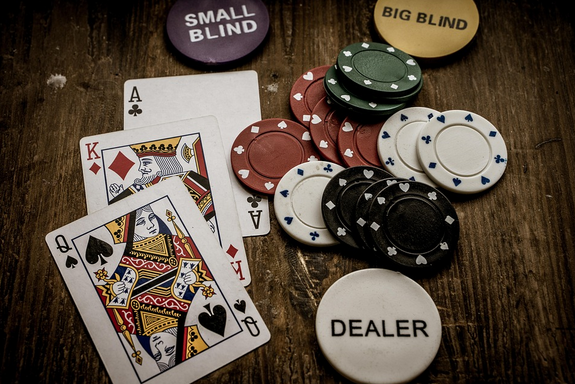
Psychological influence doesn’t end at the gaming tables. Casinos also tap into reward systems through loyalty programs, free drinks, and comped stays. These perks create a sense of value and appreciation, even if you’re losing money overall. This tactic, rooted in behavioral psychology, builds long-term attachment. Players feel like they’re “earning” something by continuing to play, which can lead to prolonged engagement and repeat visits.
Casinos are a masterclass in psychological influence, blending excitement, illusion, and reward into an environment that’s as emotionally intense as it is financially risky. Understanding how these strategies work doesn’t just make for interesting conversation—it can help you make more mindful decisions if you ever step onto the casino floor. High stakes may be the name of the game, but the biggest play of all is happening in your mind.…
Read More